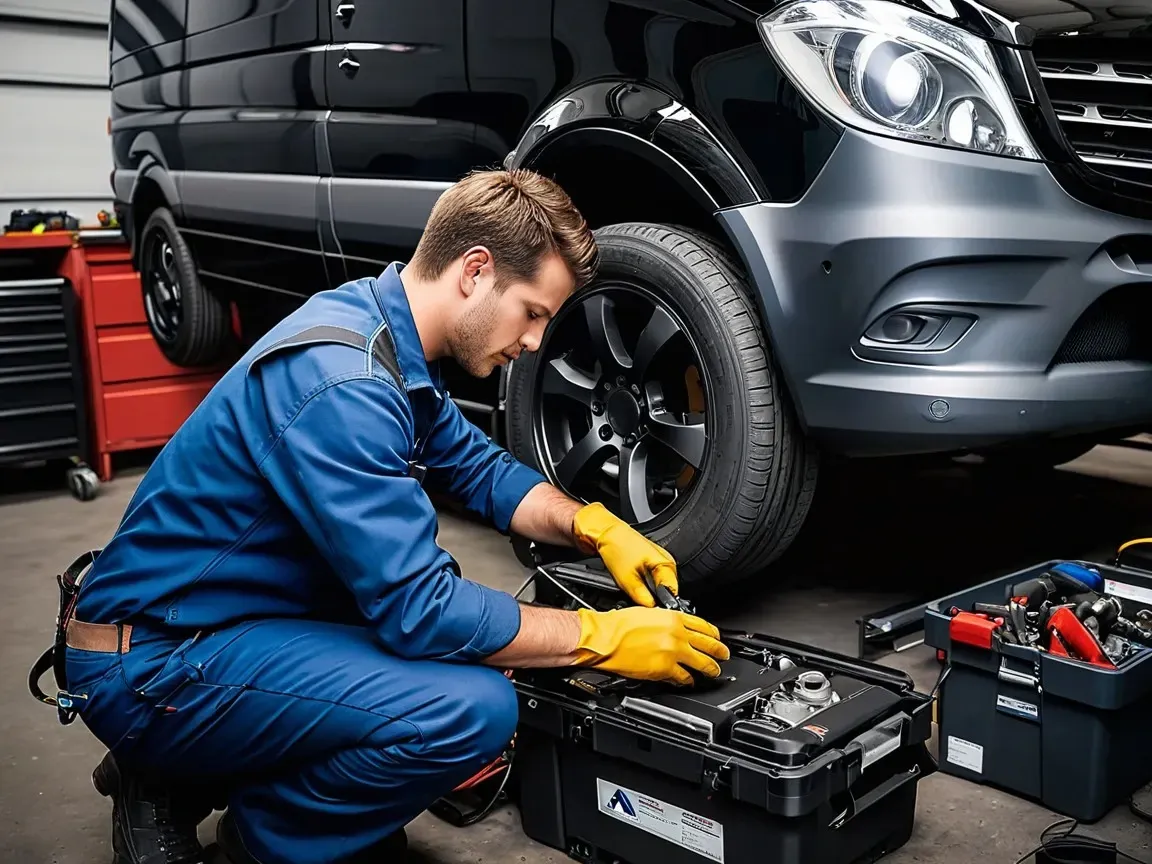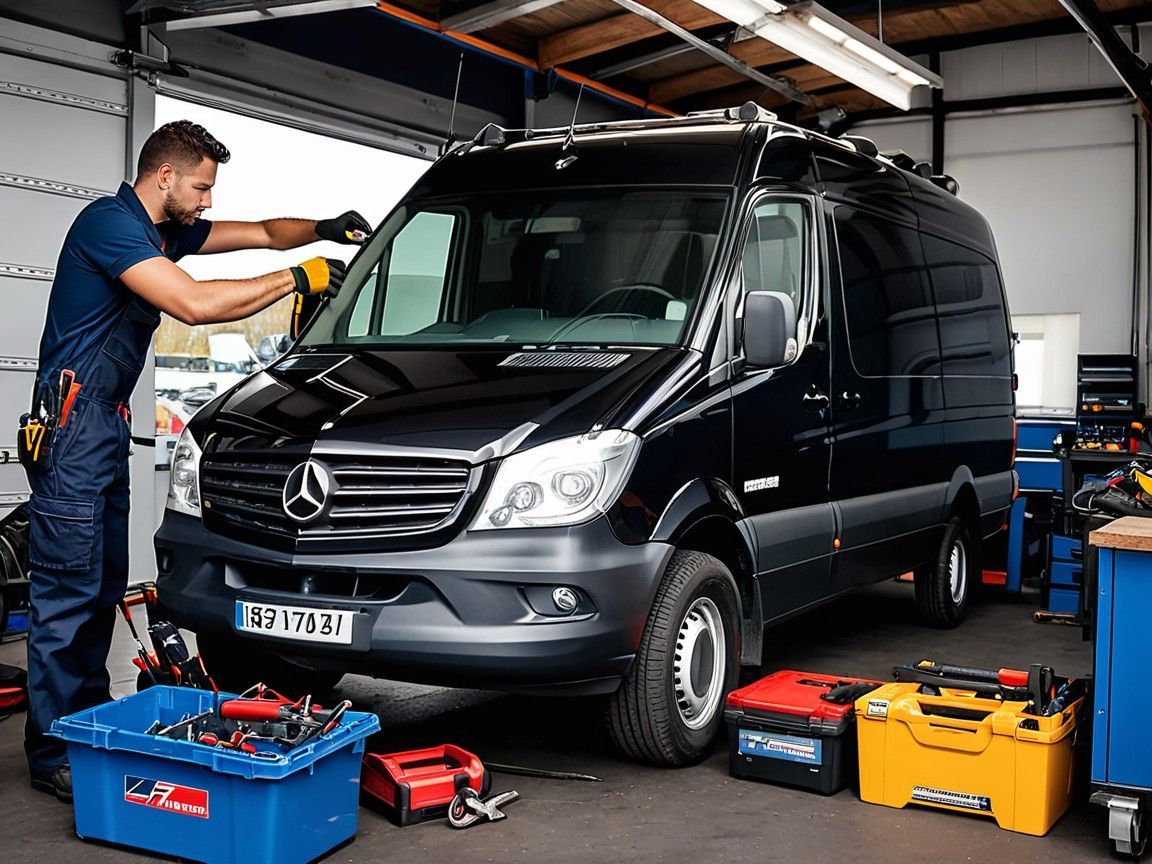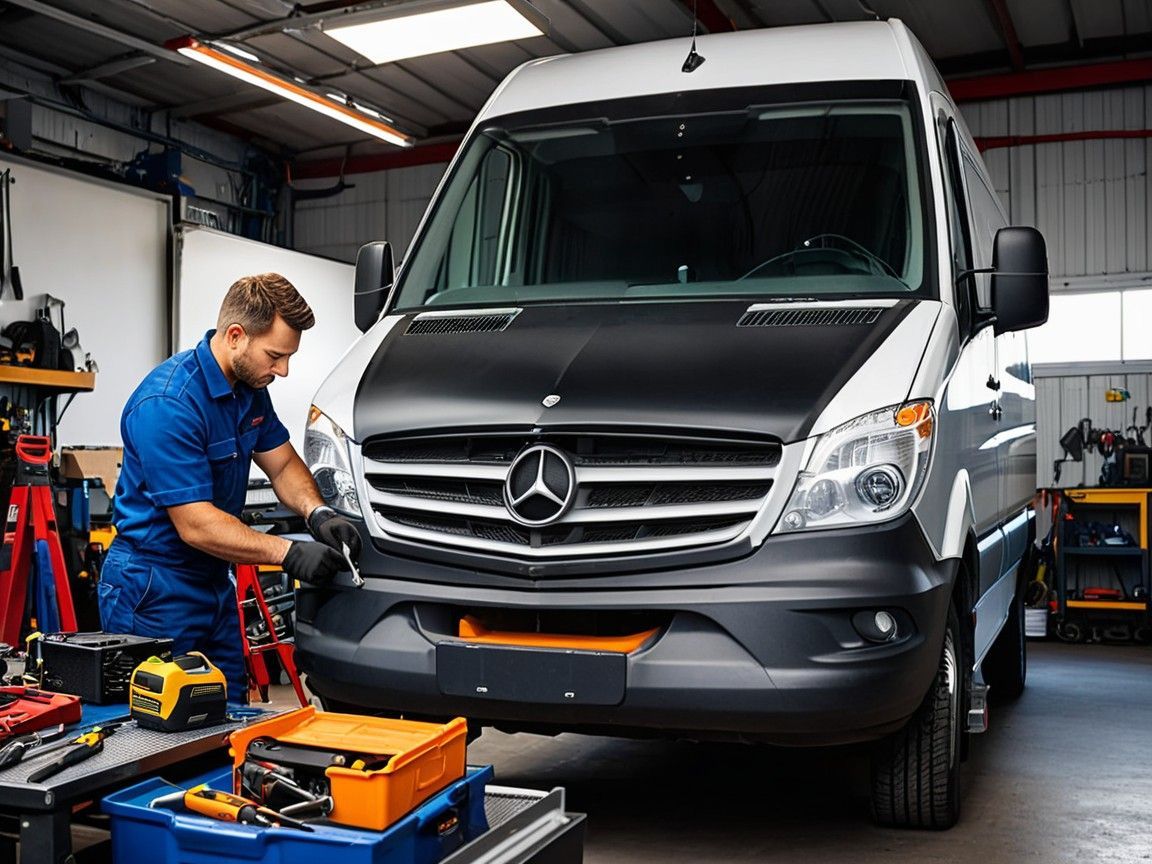

5 Reasons to Hire a Certified Sprinter Van Technician

Trusted Expertise for Sprinter Vans
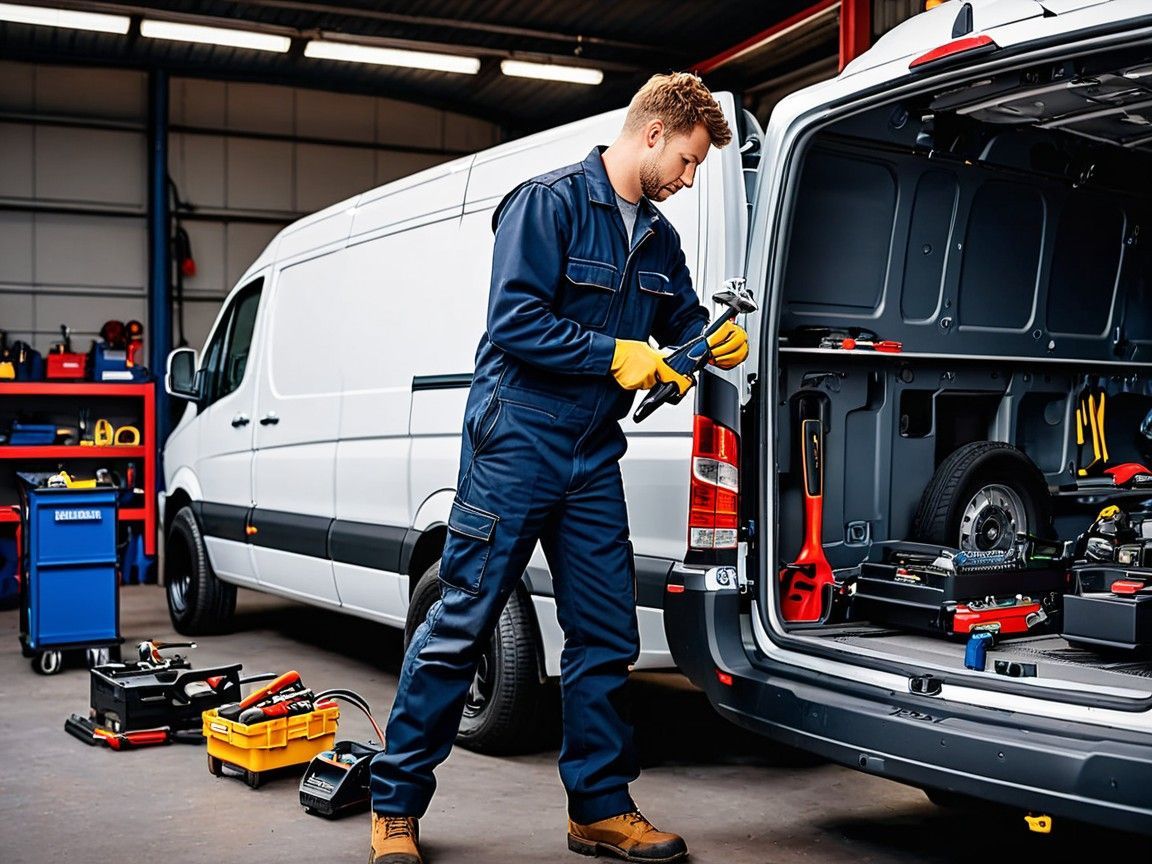
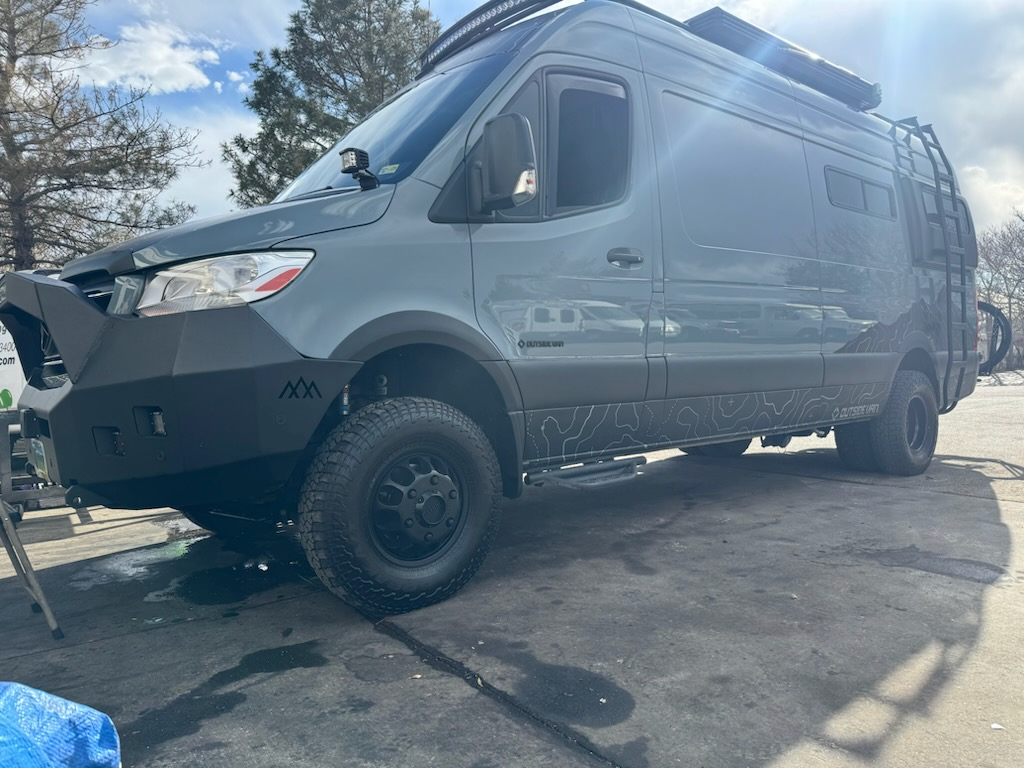
Owning a Sprinter van gives you freedom and capability that few other vehicles can match. You need a trusted sprinter van technician to keep that freedom secure and your wheels turning on the highway. These vans serve as mobile offices or delivery trucks, or homes for many people. You rely on your van every single day. A breakdown costs you money and time. It causes stress that you do not need.
Regular maintenance prevents these major headaches. You want someone who knows every bolt and wire in your specific vehicle. Colorado Fleetwork’s certified sprinter van experts see things that others miss.
Key Takeaways
- Hire certified Sprinter mechanics to avoid misdiagnosis and costly repeat repairs.
- Choose specialists with factory scan tools for fast, accurate problem detection.
- Maintain OEM-grade service records to protect resale value and buyer confidence.
- Use certified shops to preserve warranty coverage with correct parts and procedures.
- Rely on trained experts to catch Sprinter-specific issues before major failures occur.
Schedule Fleet Service
What Makes Your Sprinter Van Unique
Sprinter vans use complex German engineering that differs from standard American cargo vans. The engine design requires specific knowledge to repair correctly.
These vehicles often use diesel engines with advanced emissions systems. A general repair shop might not understand these systems well. They might fix a symptom but miss the root cause. This leads to the same problem coming back later.
Why Should You Hire a Certified Sprinter Van Technician?
A certified expert has studied these specific engines for years. They know the correct fluid types to use. They know the precise torque settings for important bolts. Using the wrong oil can damage your engine over time.
Small mistakes add up to big repair bills. You avoid these risks when you choose a specialist. They follow the manufacturer's guidelines exactly. This attention to detail protects your investment.
1. Essential Diagnostic Tools and Equipment
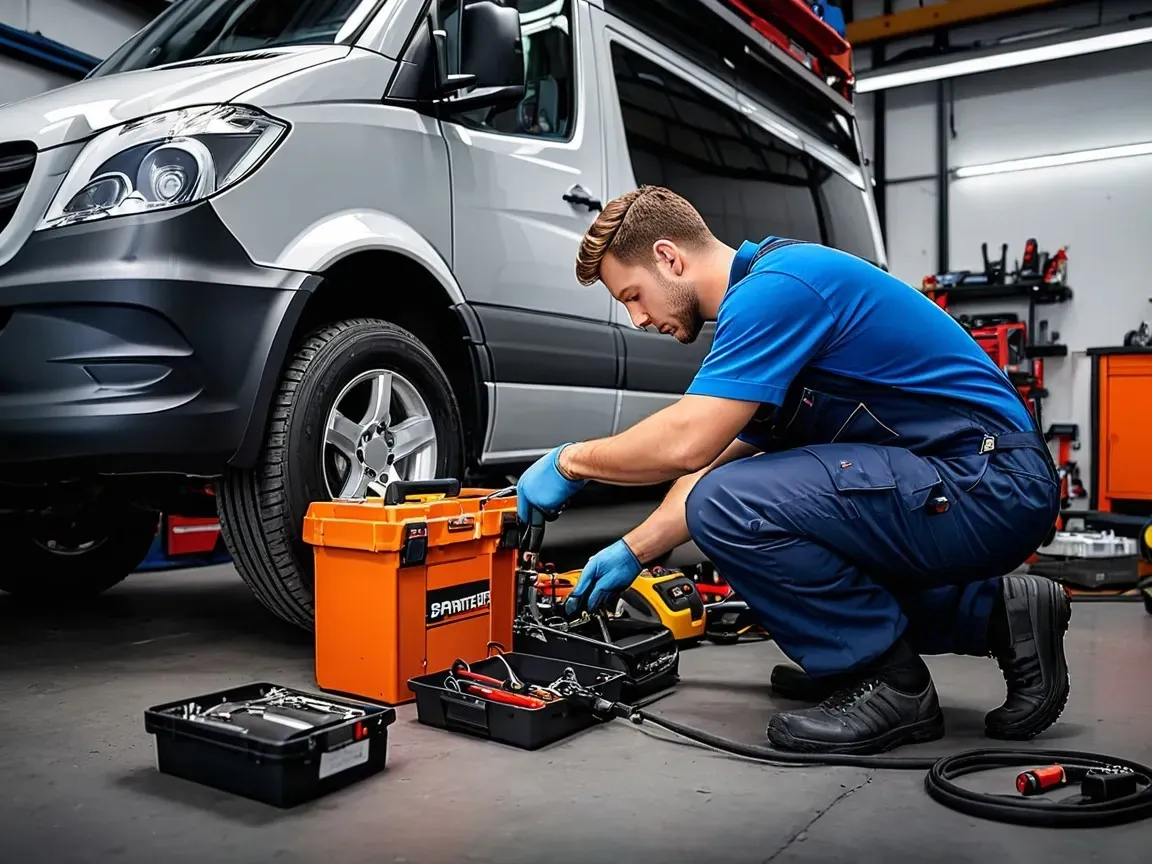
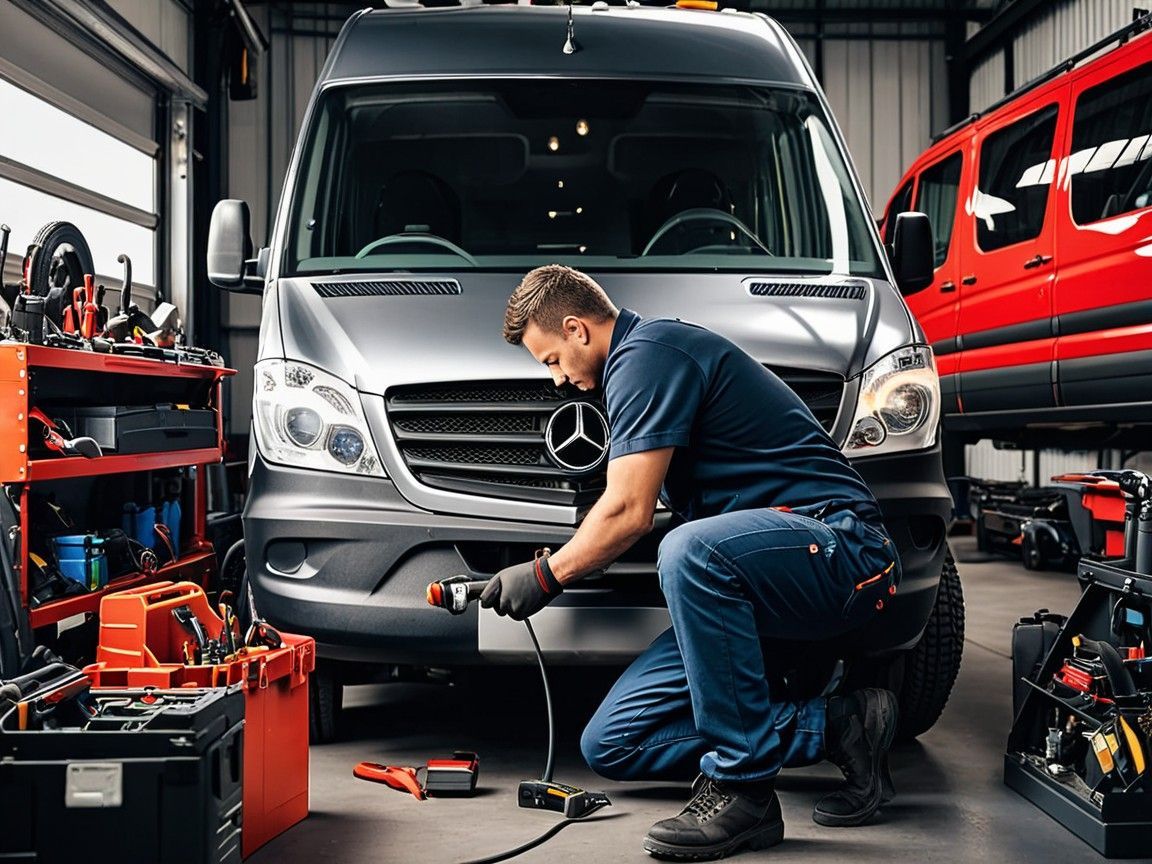
Modern vehicles rely heavily on computers and sensors to run efficiently. Sprinter vans use proprietary software that general mechanics often cannot access. A certified shop invests in these expensive tools. They can talk to the computer in your van. This allows them to find the exact problem quickly. Without these tools, a mechanic is just guessing.
Here are the specific tools a certified shop uses:
- Factory Scan Tools: These computers read specific error codes that generic scanners cannot see. They show the mechanic exactly what creates a warning light.
- Specialized Hand Tools: Some parts on your van require custom wrenches or sockets. Using standard tools can strip bolts or break plastic parts.
- Software Updates: The manufacturer releases updates for the van computer. Only a certified shop can install these important updates.
- Wiring Schematics: These maps show where every wire goes. They help the mechanic trace electrical shorts without taking the whole van apart.
- Fluid Testing Kits: These kits analyze the health of your oil and coolant. They spot internal engine problems before they cause a breakdown.
2. Protecting the Resale Value of Your Investment
A well-maintained vehicle sells for a much higher price when you decide to upgrade. Buyers want to see service records from a reputable shop. They trust a van that received care from an expert. When you sell your van, you can show them proof of quality work. This documentation proves you took care of the vehicle. It removes doubt from the buyer's mind.
Generic service records often raise questions for smart buyers. They might wonder if the previous mechanic used the right parts. They might worry about hidden damage. A history of certified service removes these worries. It shows that you valued quality over cheap fixes. This history pays off when you trade in or sell. You get a better return on your initial purchase.
3. Common Problems That Require Expert Eyes
Sprinter vans have a few specific issues that appear as they get older. A general mechanic might mistake these for other problems. This leads to unnecessary repairs that do not fix the issue. An expert knows exactly what to look for. They often spot these problems before they leave you stranded.
Here are the specific issues certified pros watch for:
- Injector Seal Leaks: This is often called "black death" by owners. Carbon builds up around the fuel injectors and hardens like rock.
- DPF Clogs: The Diesel Particulate Filter traps soot from the exhaust. It needs specific driving conditions to clean itself out.
- LIMP Mode: The van computer limits speed to protect the engine. Many different sensors can trigger this safety mode.
- Turbo Resonator Cracks: This plastic part can crack and cause a loss of power. It is a common failure point that is easy to miss.
- Glow Plug Failure: These help the diesel engine start in cold weather. If they break, the van might not start at all.
4. Maintaining Your Warranty Coverage
Newer vans come with a warranty that covers major repairs. You must follow the maintenance schedule to keep this warranty valid. The manufacturer requires you to use parts that meet their standards. If a general shop uses a cheap aftermarket part, it could void your coverage. You would then have to pay for expensive repairs yourself.
A certified shop uses Original Equipment Manufacturer (OEM) parts. These parts match the quality of the parts installed at the factory. They also keep detailed records of every service. If a warranty claim arises, you have proof of proper maintenance. The manufacturer cannot deny your claim due to neglect. This protection saves you thousands of dollars if a major component fails. It is a safety net for your wallet.
5. Safety Checks and Roadworthiness
Safety is the most important reason to maintain your vehicle. You carry valuable cargo or precious family members in your van. You need to know that the brakes will stop you. You need to know the steering will respond. A certified expert checks safety systems every time you visit. They look for wear and tear that could cause an accident.
Here are the safety items they inspect closely:
- Brake Pad Thickness: Heavy vans wear through brakes faster than cars. Experts measure the pads to ensure you can stop safely.
- Tire Load Ratings: Your tires must handle the heavy weight of the van. The mechanic checks for the correct load rating and pressure.
- Suspension Bushings: These rubber parts absorb bumps and keep the van stable. Worn bushings make the van hard to control in wind.
- Headlight Alignment: Proper lights help you see at night without blinding other drivers. Experts adjust them to the correct angle.
- Fluid Leaks: Leaking brake fluid or power steering fluid is dangerous. The mechanic traces leaks to their source and fixes them.
Why Get a Certified Sprinter Van Mechanic?
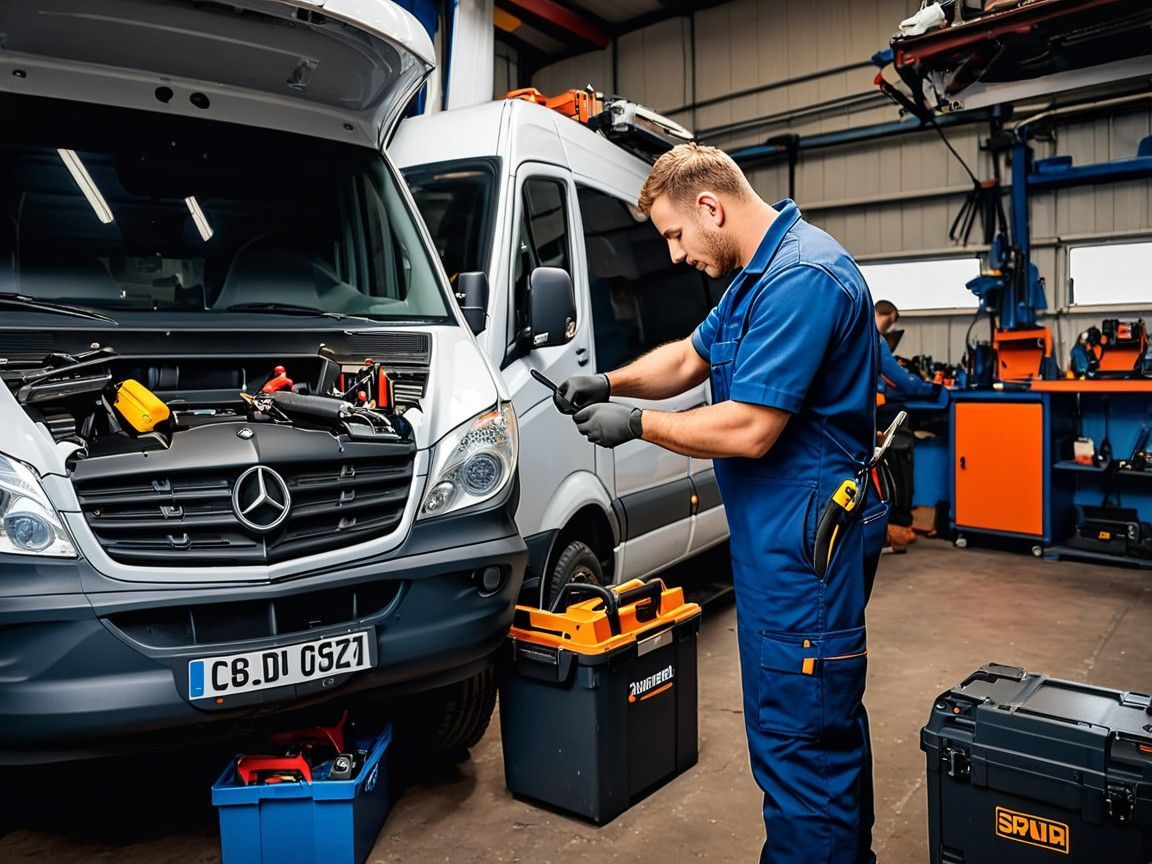
You might think that all mechanics have the same training. This is not true. A certified sprinter van technician undergoes specific training from the manufacturer. They attend classes to learn about new systems. They must pass tests to prove their knowledge. This education never stops. New van models bring new technology every year.
A general mechanic works on many different types of cars. They cannot be an expert on every single one. They might apply a fix that works on a sedan to your heavy van. This rarely works well. Your van needs heavy-duty solutions. The certified tech knows the specific torque specs. They know the correct repair procedures. They do the job right the first time. This expertise saves you time and frustration.
Schedule Fleet Service
Saving Money Over the Long Haul
Some people avoid the dealership or certified shops because of the hourly rate. They think a cheaper shop saves them money. This is often a false economy. A cheaper shop might take four hours to diagnose a problem. An expert might find it in thirty minutes. You pay for fewer hours of labor with the expert.
The expert also fixes the problem correctly. The cheap shop might guess and replace parts you do not need. You pay for those unnecessary parts. Then you still have to pay to fix the real problem. Quality parts also last longer. You replace them less often. In the end, the certified route costs less per mile. You get a reliable vehicle that earns you money. You spend less time in the shop and more time on the road.
Hire a Certified Sprinter Van Technician Today!
Your van represents a big part of your life or business. It deserves the best care you can give it. Skimping on maintenance leads to stress and lost income. Choosing the right partner for your repairs makes ownership easy. You gain confidence every time you turn the key. You know your vehicle is ready for the journey ahead.
Do not wait for a breakdown to find a shop.
Get the service of a certified sprinter van technician from
Colorado Fleetworks today!
Schedule Fleet Service
Frequently Asked Questions
1. How often does my van need service?
Most models need an oil change every 20,000 miles. However, please refer to your specific year's manual for accurate information. Heavy use requires more frequent checks.
2. Can I use synthetic oil from any brand?
No. You must use oil that meets the specific approval spec for your engine. Using the wrong oil damages the emissions system.
3. What is the "Black Death" I hear about?
It means there is a leakage around the fuel injectors. Fuel hardens into a black, coal-like substance. Ignoring it can damage the cylinder head.
4. Why is my van in LIMP mode?
The computer detects a problem that could damage the engine. It limits power to let you drive to a shop safely without causing more harm.
5. Do I really need to use diesel exhaust fluid?
Yes. The van will not run without it. This fluid cleans the exhaust to meet legal emission standards. The engine computer requires it.