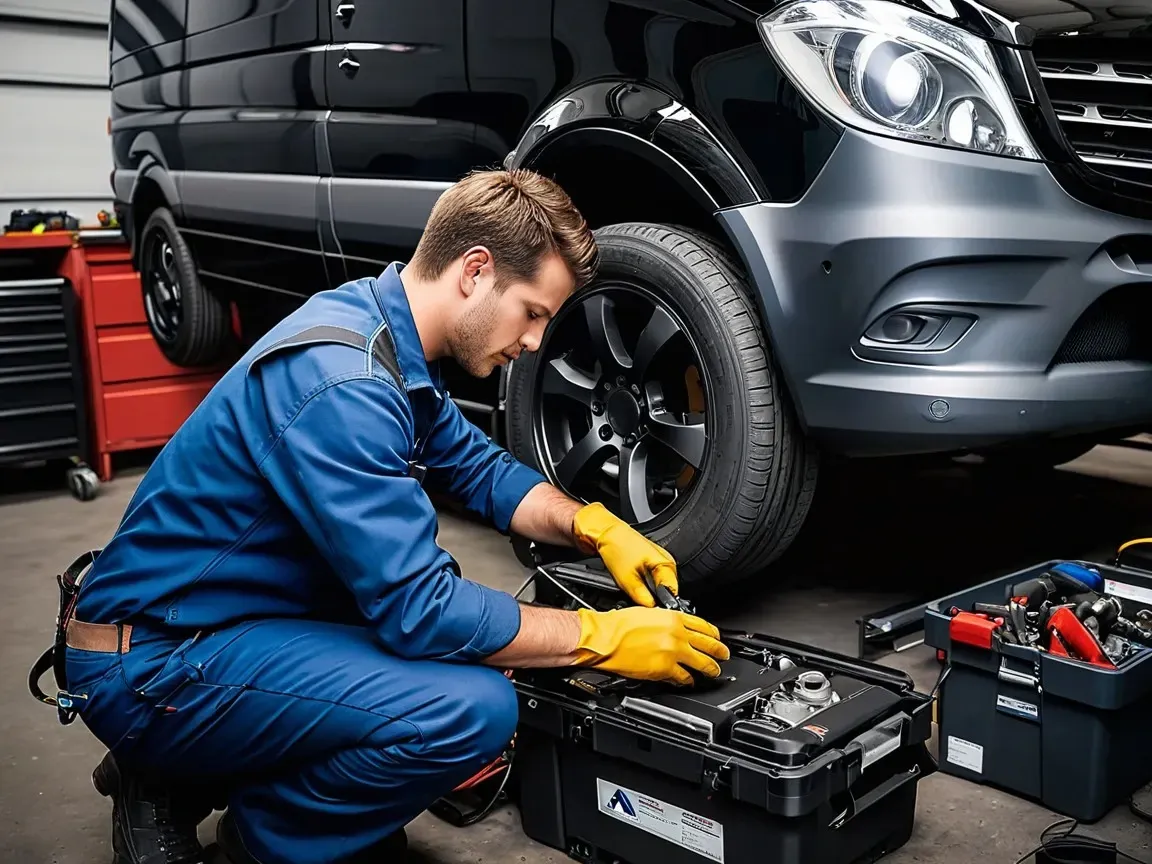

Mercedes Sprinter Van Repair Common Issues
Common Breakdowns and How to Prevent Them
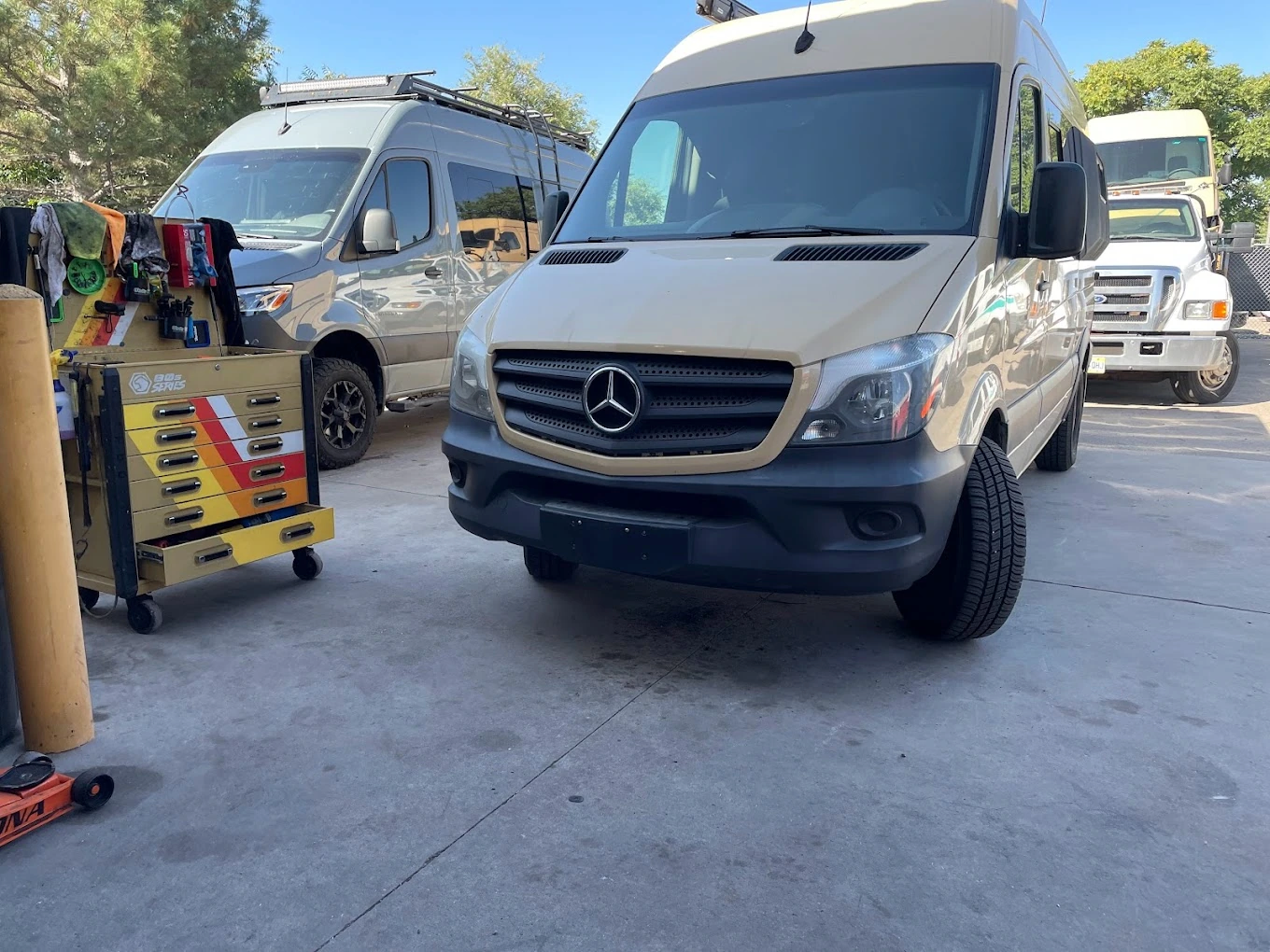
Even the toughest Sprinter on the lot is still beholden to the laws of physics, constant heat cycles, and metal-on-metal friction. If your van is your paycheck, a mechanical hiccup isn’t just a nuisance; it’s a direct hit to your bank account or a dead stop on your cross-country trek. Getting a feel for the "personality" of your rig—specifically those recurring mechanical gremlins—is what separates a quick $200 sensor swap from a catastrophic $10,000 engine teardown. Staying ahead of the curve means mastering the reality of Mercedes Sprinter van repair common issues before the tow truck arrives.
Let’s get into the weeds of the real-world headaches Sprinter owners face and, more importantly, how to sniff them out before you’re left stranded on the shoulder.
Key Takeaways
- Monitor transmission vitals because these gearboxes are notorious for overheating and bleeding fluid from brittle hoses or warped pans.
- Blast out carbon buildup in the EGR valve and hunt down turbo boost leaks to keep your diesel from falling into a gutless "Limp Mode."
- Swap failing door actuators and grime-covered ABS sensors immediately to keep your high-dollar cargo locked down and your safety tech firing.
- Stick to genuine OEM hardware and stay religious about fuel filter intervals to avoid the kind of downtime that kills a business.
Schedule Fleet Service
Local Expertise for Mercedes Sprinter Van Repair Common Issues
If you can spot the early red flags—like a soot-choked valve or a sensor on its last legs—you can knock out a cheap fix before it evolves into a budget-killer. At the end of the day, knowing these quirks is how you keep your Mercedes-Benz reliable through the Denver summer humidity and on the clock for the long haul. It’s about taking ownership of Mercedes Sprinter van repair common issues so they don't take ownership of you.
The Transmission: Your Silent Workhorse
The automatic box in your Sprinter is a high-level piece of German engineering. It’s not just cycling gears; it’s grinding through torque demands and balancing RPMs whether you’re hauling a full load of 2x4s or fighting a 6% grade in the mountain passes. But because it’s the hardest worker in the drivetrain, it’s usually the first spot where the "check engine" reality sets in.
The Red Flags
- The "Rumble Strip" Vibration: If it feels like you’re hitting grooves on a fresh coat of asphalt, your torque converter is likely screaming for help.
- The Hesitation: You’ll notice a lag when dropping it from Park to Drive or a violent "thud" during a heavy downshift.
- The Puddles: Watch for those oily, reddish-brown stains marking your territory on the shop floor.
The Real Culprit
Usually, we’re looking at a $10 leaking plug or a hairline crack in the transmission pan. When that fluid level drops, the internals start cooking. We also see those oil cooler hoses go brittle; if one pops, your temps go through the roof, and your transmission is toasted in minutes.
Pro Tip:
Don’t wait for a dashboard light to tell you what your gut already knows. If the shifting feels "mushy" or off-beat, pull the dipstick and check those levels.
Door Lock Actuators: A Tiny Part with a Huge Ego
It sounds like a minor annoyance until you’re at a Denver job site and realize you can’t lock up five grand worth of Milwaukee tools. The Sprinter runs a picky electronic actuator—basically a miniature motor and a rack-and-pinion setup—to keep the doors shut.
Standard Failure Modes
- The "Machine Gun" Sound: That rapid-fire clicking when you hit the lock button is the sound of plastic gears giving up the ghost.
- The Selective Lock: Your front doors behave, but the sliding side door stays wide open to the world.
- The Ghost Lock: Doors that lock or unlock themselves while you’re cruising—it’s not a haunting, just a motor shorting out.
Since these actuators are usually baked right into the latch assembly, you’re looking at a full unit swap. For anyone running a commercial fleet, this isn't just a "fix"—it’s a basic security requirement.
The EGR Valve: Your Diesel’s Lungs
The Exhaust Gas Recirculation (EGR) valve is the heart of your emissions system. It’s designed to loop exhaust back into the intake to keep things "clean." The trade-off? Heavy soot.
If you’re mostly doing Denver stop-and-go driving, idling at job sites, or taking short hops where the block never gets up to temp, carbon buildup is going to be your primary antagonist.
Signs of a Soot-Choked EGR
- Heartbreaking Power Loss: You bury the pedal and nothing happens.
- The Shakes: A rough idle that makes your coffee rattle in the cupholder.
- Fuel Thirst: Your van suddenly starts drinking diesel like it’s going out of style.
The Fix
You might get lucky with a professional scrub, but once that carbon is baked on, you’re usually looking at a replacement. To dodge this, give your Sprinter a "highway workout" once a week—get those EGTs up and burn that soot out of the system.
Fuel System Sensitivity
A Sprinter’s diesel heart needs surgical-grade cleanliness. The pump, the filters, and those injectors have to dance in total sync to move fuel at insane pressures.
Common Headaches
- Choked Fuel Filters: Diesel is "dirty" by nature. If you blow off your filter changes, the engine is going to starve for air the second you put it under a heavy load.
- Injector Fatigue: Worn-out injectors start "leaking off," causing brutal cold starts or an uneven spray that can literally torch a hole through the top of a piston.
The Solution
Don't buy cheap "unbranded" diesel and never, ever miss a filter interval. It’s the cheapest insurance policy on the market for an engine this complex.
The "No-Start" Nightmare
You climb in, turn the key, and... nothing. In the Sprinter world, this usually boils down to three usual suspects:
The Battery: These rigs have massive electrical draws. A battery meant for a Honda Civic won't turn over this much compression.- Glow Plugs: In winter, diesel won't ignite without these heaters. One bad plug means a rough start; three bad plugs means you’re taking the day off.
The Starter Motor: High-mileage vans eventually burn through the brushes. If you hear a single "click" and no crank, that’s your sign.
Schedule Fleet Service
The Sliding Door: A Moving Target
That sliding door is the best part of the van—until it isn't. It’s a complex dance of tracks, rollers, and sensitive motors that gets beat up every single day.
Frequent Failures
- The Pop-and-Stop: The door pops out but refuses to slide back.
- The Grinding: Usually caused by Denver road salt and grit getting trapped in the lower track.
- The Gap: Misalignment that keeps the door from latching flush, letting in wind noise and rain.
Maintenance Hack
Every few months, grab a rag and wipe those tracks clean. Hit the rollers with a dry-silicone lube. Stay away from heavy grease; it just turns road dust into a "grinding paste" that eats your rollers for lunch.
Turbochargers and the Infamous "Limp Mode"
If your 188-horsepower van suddenly feels like a golf cart, you’ve been dropped into Limp Mode. The computer is protecting itself because it sensed a glitch in the turbo or boost loop.
The Triggers
Blown Boost Hoses: A tiny split in a rubber hose lets all that precious boost pressure bleed into the atmosphere.- Resonator Blowouts: On the older rigs, that plastic turbo resonator can hairline-crack under heavy pressure.
- Sludge in the Oil: Turbos spin at hundreds of thousands of RPMs. If your oil is filthy, those bearings are going to seize, and that’s a four-figure bad day.
ABS and Wheel Speed Sensors
Modern Sprinters are loaded with safety tech like ESP and ABS. These systems live and die by the sensors sitting right behind your rotors.
Since they’re riding inches from the pavement, they get hammered by mud, rocks, and debris. When one dies, your dashboard lights up like a pinball machine. The van will still drive, but your traction control is gone—which is a recipe for disaster on a slick highway.
The Golden Rule: Don't Cheap Out on Parts
I know it’s tempting to grab a $40 "mystery" sensor on the internet instead of the $150 Mercedes-Benz part. Don’t do it. Sprinters are incredibly "fussy." They expect specific voltage ranges. I’ve seen guys spend $600 in labor trying to find a "ghost code," only to find out the "new" aftermarket part they just put in was garbage out of the box. Stick to OEM or Genuine Mercedes hardware.
Your Shop Floor Cheat Sheet
If you want to see 300,000 miles on the clock, live by this code:
Oil Changes: Every 10k–15k miles (or 7,500 if you’re doing heavy Denver idle time).- Fuel Filters: Swap them every other oil change, no exceptions.
- Visuals: Every time the hood is up, check those turbo hoses and the serpentine belt for cracks.
- The Ear Test: If the van starts clicking, whistling, or humming a new tune, listen. It’s trying to tell you it’s sick.
Final Thoughts
The Mercedes-Benz Sprinter is a masterclass in utility—it’s your office, your warehouse, and your getaway vehicle. While the list of potential Mercedes sprinter van repair common issues might look long, most of it is preventable with basic, proactive wrenching. Treat the rig with a little respect, feed it the good fluids, and don't ignore the small noises. Do that, and it’ll pay you back with a quarter-million miles of
loyal service.
Don’t wait until a minor issue turns into major downtime.
Schedule your Sprinter van inspection today and keep your vehicle running at peak performance.
Schedule Fleet Service
Frequently Asked Questions
What is "Limp Mode," and is it safe to drive in it?
Limp Mode is the van's "safe mode"—it cuts power to prevent you from blowing the engine when a sensor sees something it doesn't like. You can usually limp it to a shop, but don't try to finish your route. Pushing it in this state can lead to a total turbo meltdown or toasted emissions gear.
How often should I change the fuel filter on a diesel Sprinter?
The book might say 20,000 miles, but if you’re idling at job sites or using whatever diesel is cheapest, change it every 10,000. It’s a $50 part protecting a $5,000 fuel system—you do the math.
Why is my Sprinter having trouble starting in cold weather?
Usually, it’s your glow plugs. Diesel needs heat to pop, and if those heater tips are burnt out, it’s not going to happen. Also, make sure your battery is a high-output unit; these engines need serious cranking amps when the temperature drops.
Can I use aftermarket parts to save money on repairs?
You can try, but you’ll usually regret it. These vans are tuned to very specific tolerances. Non-OEM sensors often send "dirty" signals to the ECU, causing "ghost codes" that are a nightmare to track down. Stick to the genuine stuff for any Mercedes Sprinter van repair common issues.