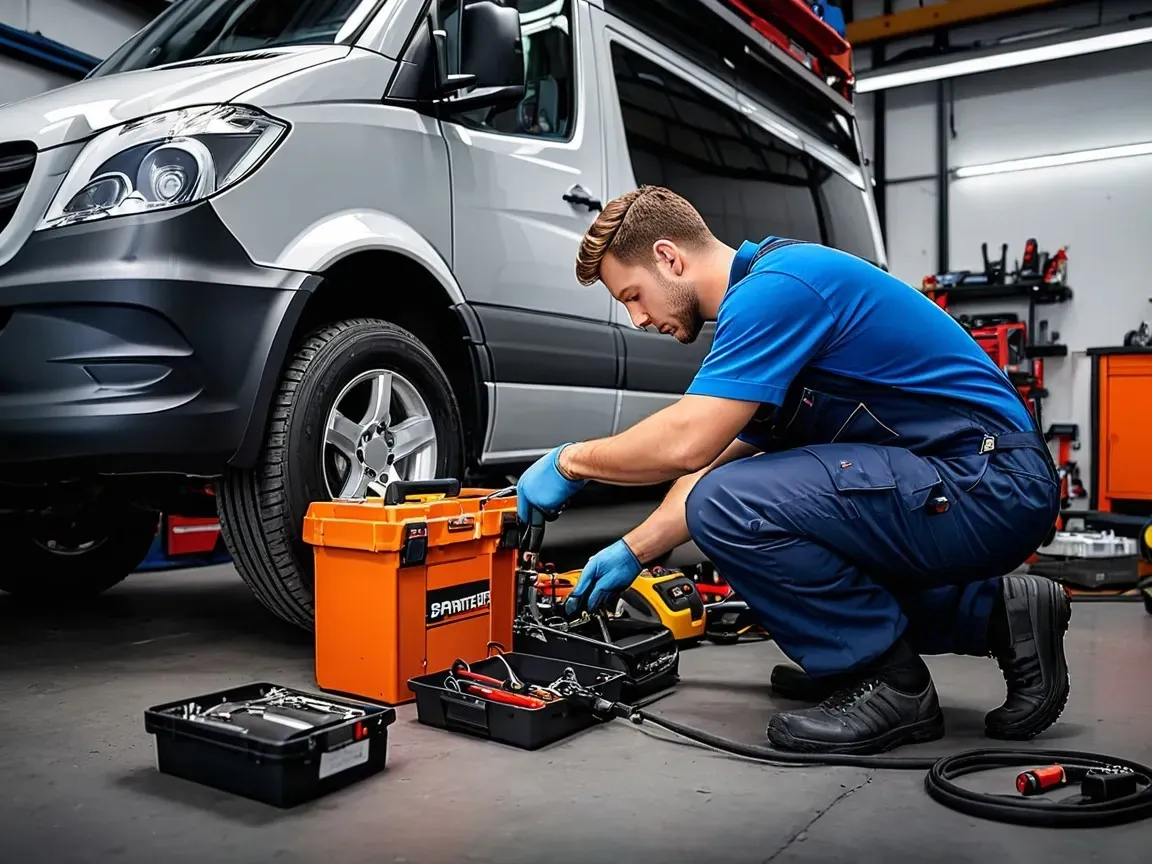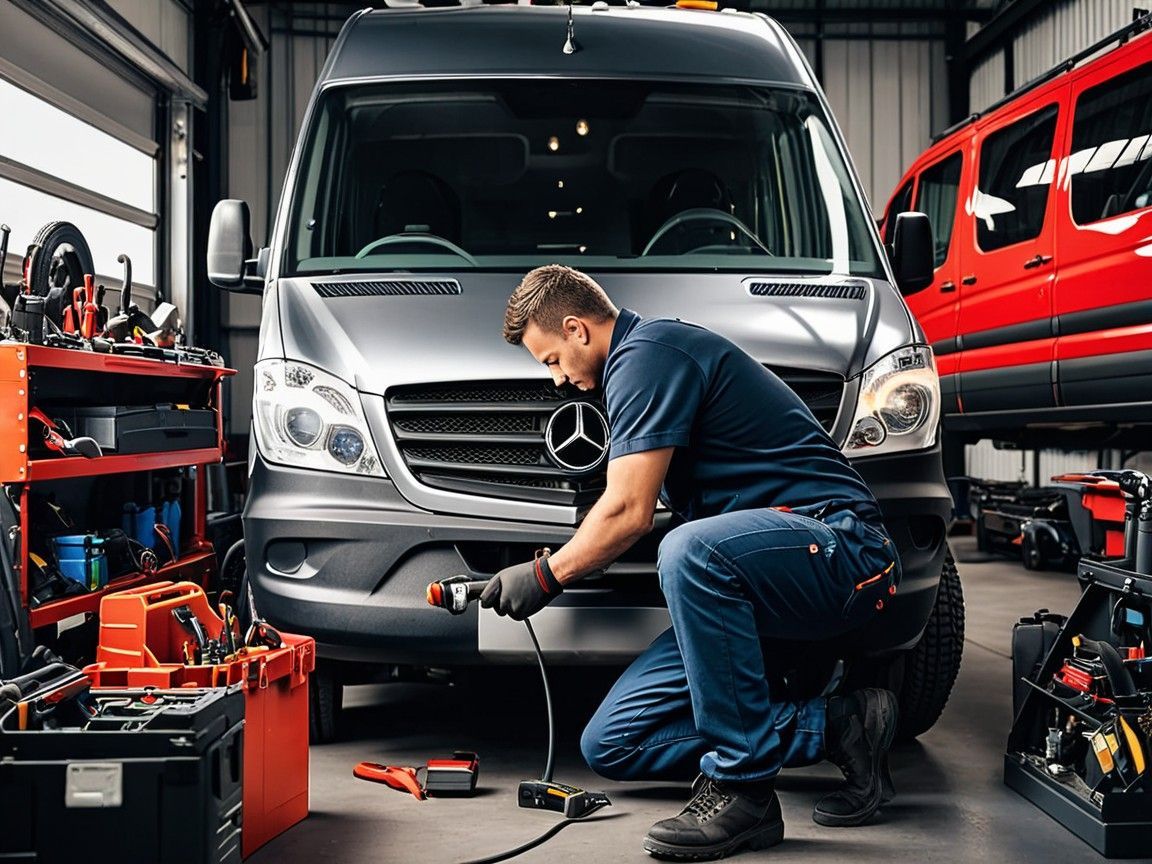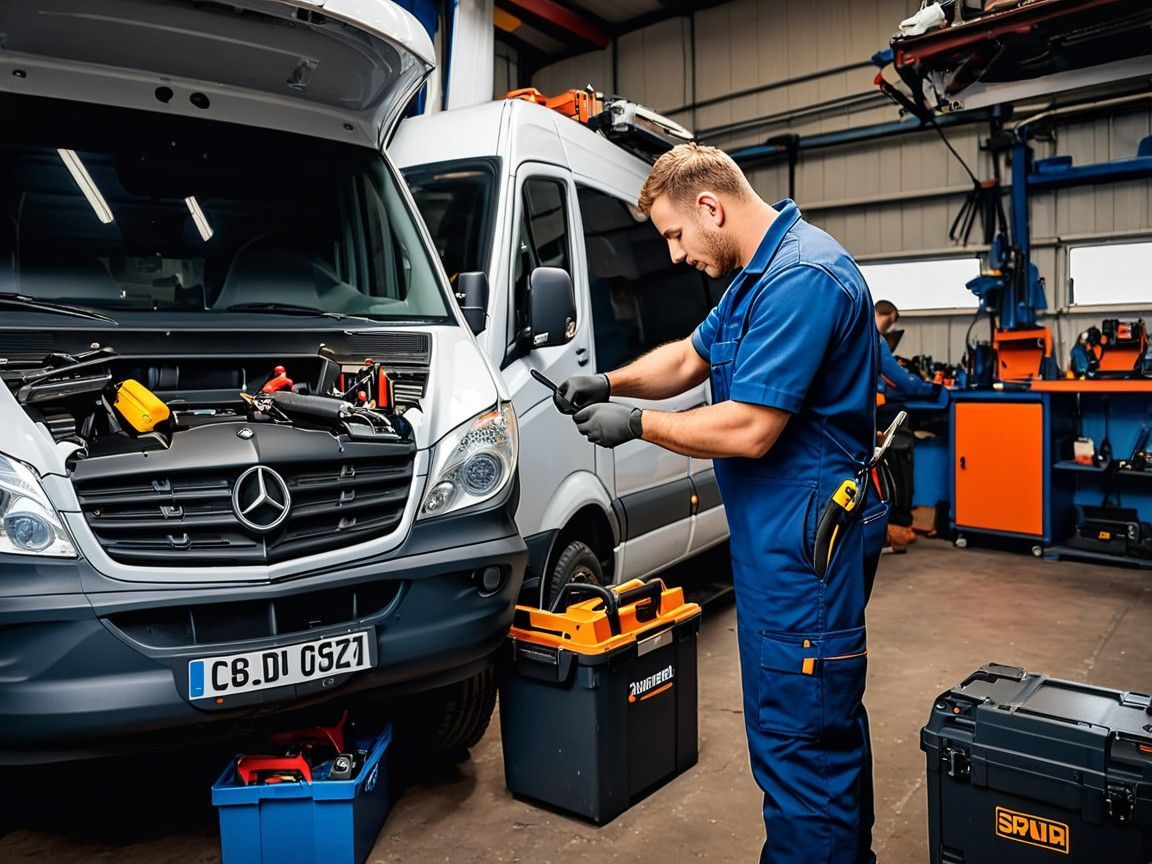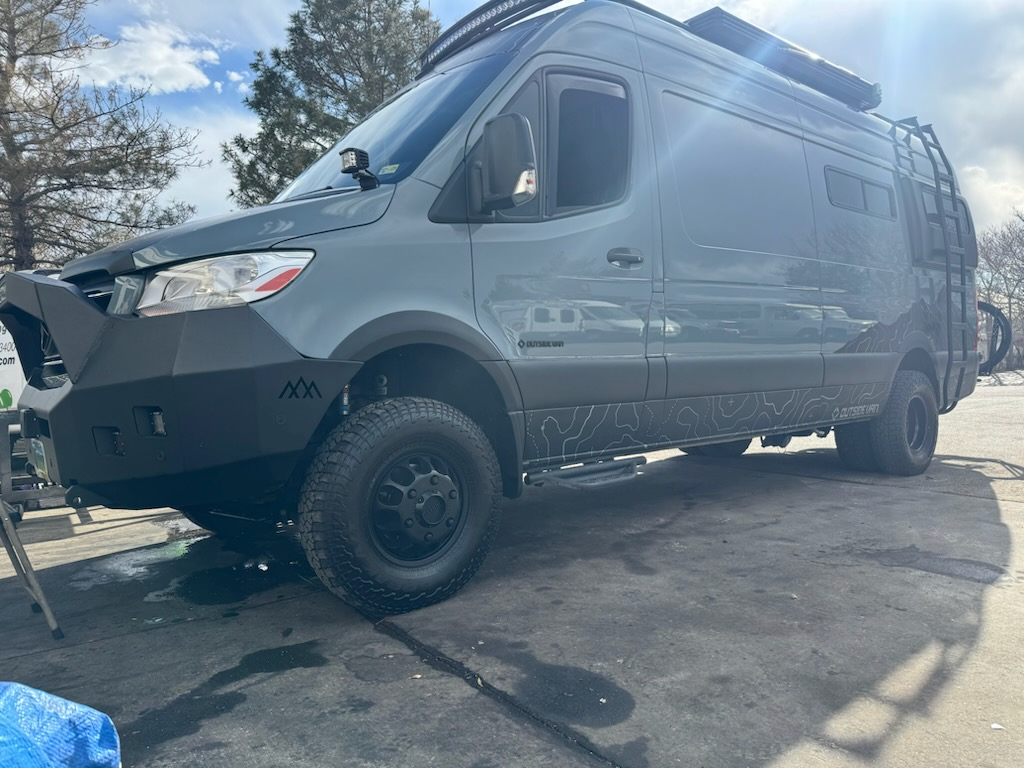

How to Know When a Sprinter Repair Specialist Should Step In

Smart Timing for Professional Repairs
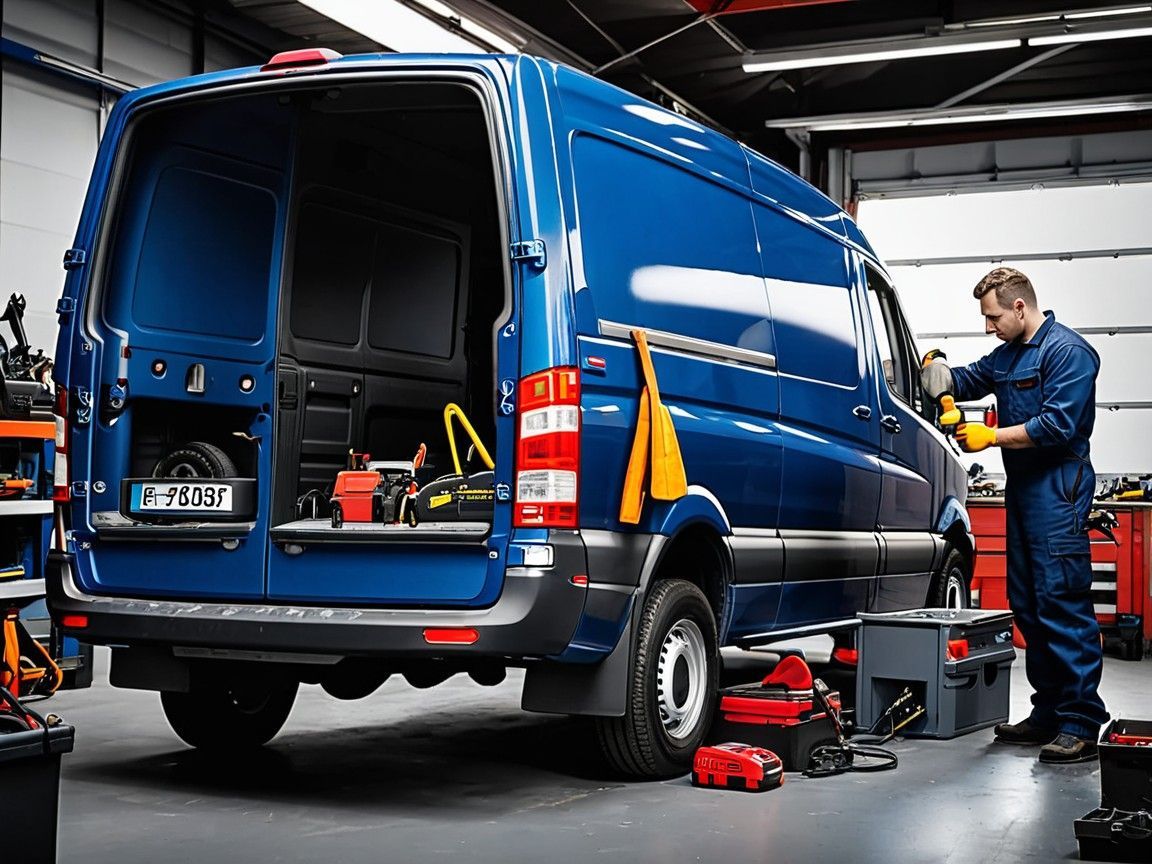
Who doesn’t want their vehicle to start up immediately whenever they turn its key? However, there are instances when, because you ignored mechanical issues, there’s now a problem with your engine or any electrical component that prevents your car from starting. Going to a trusted sprinter repair specialist to help you with this problem could be lessened if you know what signs to look for that your vehicle has serious issues.
Regular
service helps owners catch potential problems before they become serious disasters. Many drivers, unfortunately, ignore subtle changes in how their vehicle handles daily. Paying attention to exactly how the machine feels on the pavement is crucial.
Notice any fresh sounds or strange smells the moment they appear inside. The automobile often communicates clearly when it requires professional mechanical attention. Taking action now prevents the frustration of being stranded on the highway.
Colorado Fleetworks will examine the primary indicators that suggest you need help.
Key Takeaways
- Respond immediately to dashboard warnings by scheduling diagnostic scanning or service.
- Investigate new noises early to catch failing belts, bearings, or joints.
- Address braking changes quickly to prevent unsafe stopping and worsening damage.
- Check for fluid leaks daily to spot oil, coolant, or brake-system failures.
- Use a specialized
Sprinter shop to ensure correct diagnostics, parts, and fluids.
Schedule Fleet Service
Sign #1: Watch Those Dashboard Lights
Your dashboard serves as a direct communication line regarding the health of the motor. Modern vehicles utilize complex sensors to monitor every single operating system continuously. A check engine light might illuminate because of a loose gas cap, or it could signal major turbocharger failure. Never try guessing what a warning indicator means without proper tools. The glow plug symbol is specific to diesel models and points toward heating element trouble.
A flashing alert usually indicates an emergency situation requiring an immediate stop. Drivers must pull over safely to avoid causing permanent internal damage. Solid illumination generally implies you should schedule a service appointment very soon. Ignoring these warning signs forces the onboard computer to limit total output power.
This safety feature protects the block but slows your travel speed significantly. A mechanic with the right scanner can read these codes quickly. They will explain exactly what components failed.
Sign #2: Listen for New Noises
Unfamiliar sounds often serve as the first clue that something has gone wrong mechanically. The motor should operate smoothly without making aggressive noises. Clunking or rattling indicates loose components underneath the chassis.
Squeals suggest high friction exists where there should be none. Drivers know how their own engine sounds when it runs perfectly healthy. Any deviation from that standard norm constitutes a warning.
High-pitched squealing often comes from worn belts or failing pulley bearings during acceleration.
Deep rumbling or grinding points toward wheel bearing issues or brakes wearing down completely.
Hissing from the engine bay likely means a vacuum leak or split turbo hose exists.
Clicking while turning suggests a bad CV joint where the axle connects to wheels.
Loud ticking might indicate low oil pressure or valves needing immediate adjustment.
Sign #3: Pay Attention to Braking
The braking system represents the most critical safety feature installed on your automobile. You need the pads to grab perfectly every single time you press down. A soft pedal feels like stepping on a wet sponge, suggesting air is trapped inside the lines. It might also mean the master cylinder is leaking fluid internally. Hard pedals indicate the power assist booster is failing to provide help.
Drivers must push much harder to stop safely when the assist system fails. The van might pull sharply to one side whenever you apply pressure. This happens because a caliper seized, stopping one wheel while others roll.
Such behavior creates a dangerous situation in heavy traffic conditions. Vibrations felt through the floor usually come from warped metal rotors. Heat damages the discs over time, making stopping uneven and jittery. Thin pads cannot absorb thermal energy well, leading to dangerous fade on hills.
Sign #4: Look for Puddles and Leaks
These heavy vans rely on various fluids to operate correctly day after day. Leaks leave distinct spots on the driveway that give away the problem. Identifying the color helps owners understand exactly what system is failing. Check the ground where you park every single morning for new drips. A dry concrete surface is always a good sign to see.
Dark brown or black puddles usually indicate engine oil leaking from the pan gasket.
Red or pink fluid points toward transmission issues or power steering pump failure.
Bright green or orange liquid is toxic coolant that leads to rapid overheating.
Clear water is usually just harmless condensation dripping from the air conditioner.
Yellowish clear fluid might be corrosive brake liquid which creates a safety emergency.
Sign #5: Feel the Suspension and Steering
A Sprinter is a tall vehicle that requires a robust suspension to remain stable. Worn shocks cause the body to bounce excessively after hitting bumps in the road. This motion makes the ride uncomfortable for every passenger inside. It also makes the van harder to control during high winds. You might feel the frame sway dangerously while taking sharp turns. This specific motion is often referred to as the "Sprinter sway."
Steering wheels should always feel tight and responsive to your touch. Loose handling indicates worn tie rods are failing to connect properly. Drivers might notice a delay between turning the wheel and the tires moving.
This lack of precision becomes tiring for anyone behind the wheel. It requires constant correction just to stay inside the lane. Uneven tire wear provides another clue regarding alignment health. A qualified sprinter repair specialist can adjust the geometry to restore handling.
Sign #6: Watch for Exhaust Smoke
Modern diesel engines run very cleanly compared to older models from decades ago. You should not see thick clouds coming from the tailpipe during normal driving. Visible exhaust indicates the motor is burning something it really shouldn't be. The plume color tells you the source of the mechanical failure. Diagnose the issue by watching the rearview mirror closely.
Blue smoke means the engine is burning oil due to worn piston rings.
Black smoke signals too much fuel or a clogged air filter restricting flow.
White smoke is serious and means coolant is entering the combustion chamber.
Grey smoke is tricky but could mean a stuck PCV valve is acting up.
Continuous steam suggests a cracked cylinder head because it dissipates very quickly.
Sign #7: Performance and Power Loss
Drivers expect their vehicle to accelerate smoothly when merging onto the highway. A sudden drop in power is alarming and often called "limp mode." The onboard computer restricts speed to prevent total engine destruction.
You might struggle to climb hills that were previously easy to conquer. The turbocharger provides the necessary boost for hauling heavy cargo loads. If that part fails, the drive feels incredibly sluggish.
Fuel economy numbers also tell a story about efficiency. A sudden drop in mileage indicates the engine is wasting energy. The system works harder to accomplish the exact same amount of work. This inefficiency wastes money every time you visit the pump.
A clogged diesel particulate filter restricts exhaust flow significantly. You might notice the van hesitates when you press the throttle. This lag makes merging into traffic dangerous.
Schedule Fleet Service
Why You Need a Specialized Sprinter Repair Specialist
General mechanics often lack the specific tools required for these unique European vans. Sprinters use specialized diagnostic software that standard scanners cannot access. These vehicles also require very specific fluids to run properly. Using the wrong oil formulation can damage the sensitive emission system permanently.
The engineering differs significantly from domestic cargo trucks found here. You need a technician who truly understands complex German manufacturing.
Specialized shops stock the correct parts right on their shelves. They do not have to order common items like fuel filters. This availability gets you back on the road much faster. Experience matters when diagnosing complex electrical issues correctly.
A specialist knows the common wiring faults and checks those first. This saves owners money on diagnostic labor hours. They also know the correct torque specs for every bolt. Precision is key for high-compression engines.
Schedule Your Service Today
Ignoring these warning signs rarely saves anybody money in the long run. Small leaks eventually turn into blown engines or ruined transmissions. You rely on that van for your livelihood or outdoor lifestyle. Taking care of the machine ensures it takes care of you later. We have covered the major symptoms to watch for. You now know what to listen for while driving.
Do not wait for a complete breakdown to find a mechanic.
Book an appointment with
Colorado Fleetworks if you notice any of these specific issues. A qualified sprinter repair specialist will inspect the vehicle thoroughly today. They will give you peace of mind for the next journey. Keep the van running like it is brand new.
Schedule Fleet Service
Frequently Asked Questions
1. How often should I change the oil in my Sprinter?
Owners should change the oil every 10,000 miles, though monthly level checks are vital. Heavy towing demands more frequent changes to protect the engine.
2. What does "limp mode" mean for my van?
The computer restricts engine output to prevent catastrophic mechanical failure. This usually happens when sensors detect serious transmission faults or boost leaks.
3. Why is my van consuming so much DEF fluid?
High consumption often indicates heavy cargo loads or aggressive driving habits. A leak in the injector system could also cause this rapid usage.
4. Can I use regular diesel oil in my Sprinter?
No, you must use oil meeting specific manufacturer specifications only. The wrong formula clogs sensitive emission control system filters very quickly.
5. How long do Sprinter engines typically last?
These engines can last over 300,000 miles with strict maintenance. Regular service is the absolute key to reaching high mileage numbers reliably.